Impractical Distillers: Vol 2.6
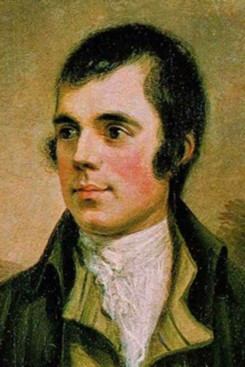
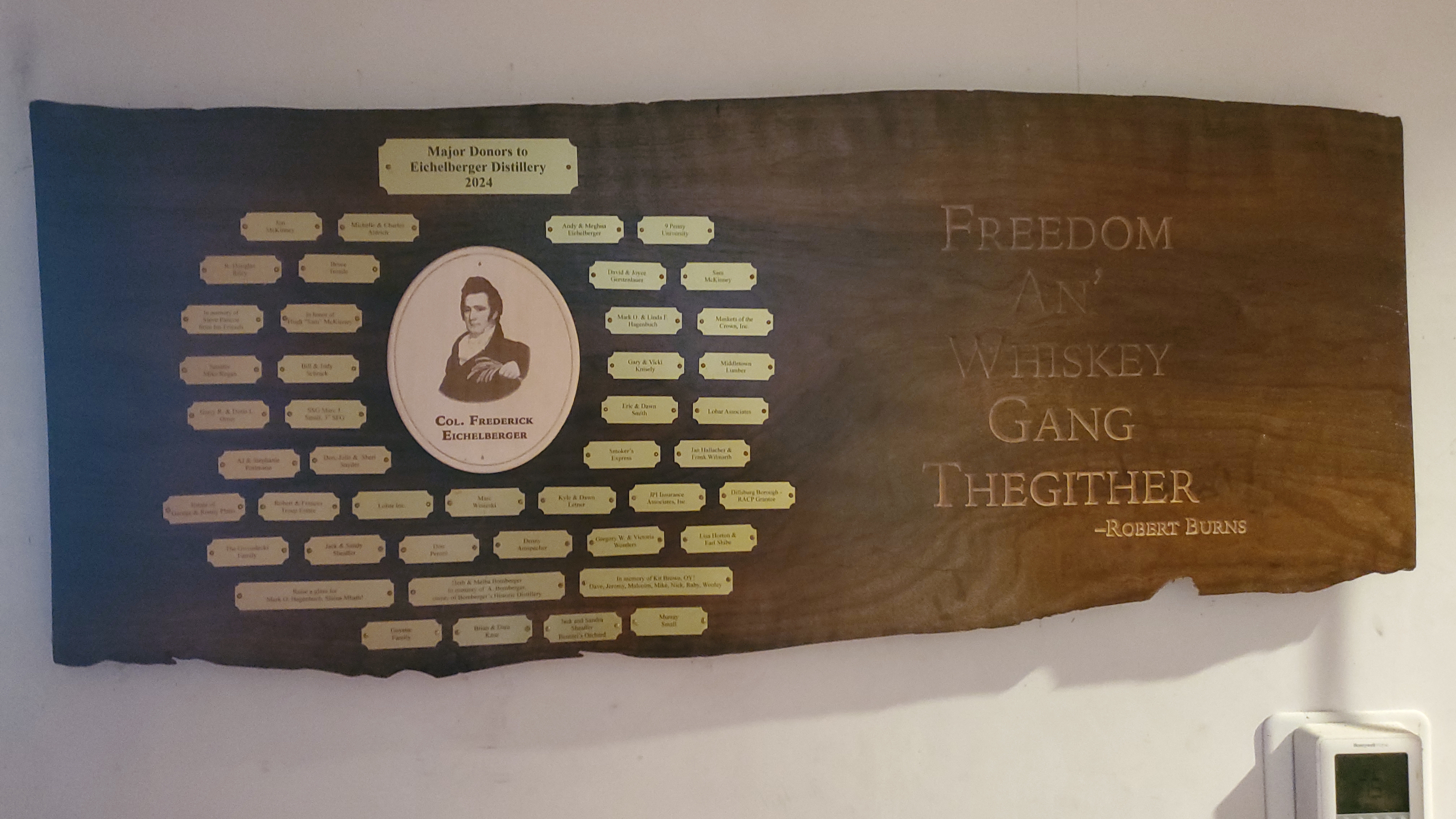 As you enter the tasting room at the Eichelberger Distillery you notice a large plaque. It lists patrons who donated money to help us fund the building, a picture of Frederick Eicheberger and a phrase from a Robert Burns poem: Freedom and Whiskey gang thegither. That phrase comes from one of the Scottish bard’s poems, The Author’s Earnest Cry and Prayer. It was written in 1786 as a protest to the Scotch Distillery Act meant to benefit London gin distillers at the expense of Scottish distilleries. Burns had an affinity for whiskey and everyday Scottish life which he crafted into poems extolling the virtues of rural living, Scottish culture and his native land. It appears as though verses of a virtuous, simple rural life and observations on the human condition were more easily written about than lived. Burns had 12 children with four different women; only one of which was his wife. He was also well acquainted with the national drink of Scotland: Scotch. An additional inconsistency was his profession. Despite crafting verses about tyranny and taxation, his paid position was government “gager”. Neither poetry nor farming were lucrative so to feed his family, he toiled as the “damed excise man” he rhymed about! His visits to distilleries were to determine taxes owed to the British government! But the contradictions of Burns’ life do not diminish the indisputable truth of his claim; Freedom and Whiskey go together. The immigrant families that built and managed Dills Tavern created generational wealth, in no small part, because of freedom and
  whiskey. Matthew Dill was a Scots Irish immigrant who came to America in the 1730’s for freedom, land and opportunity not possible in his home country. His entrepreneurial spirit, grit, and leadership ability allowed him to build one of the first taverns in the area. His role as commissioner of roads ensured the tavern was visited by hungry, thirsty, tired travelers. Three generations of his family prospered. In 1800, German immigrants also leveraged freedom and whiskey to create economic opportunity. The Eichelberger’s kept the tavern and distilled spirits but Leonard’s skills as a wagon builder provided a means to get their product to a larger, wealthier market; Baltimore. As their business grew, job opportunities increased for local people. Farmers, laborers, woodcutters, coopers, teamsters, and distillers were needed. The Eichelbergers also transported other small farm distillers spirits on their wagons.
During tours at the Eichelberger Distillery, docents and volunteers highlight the roles freedom and whiskey played in the agricultural heritage of Dillsburg. Make time during this 250th Celebration year to see how whiskey was made and enjoyed in the early days of our country. Burns recognized that whiskey can lift the spirit, warm the heart and bring people together in the celebration of freedom. Follow Rabbie Burns’ recommendation: Tak aff your dram!
~The Impractical Distillers: Sam and Murray