
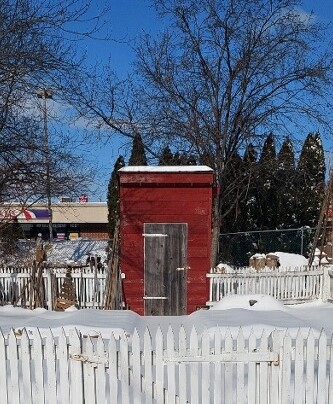
Dills Tavern: The Garden Shed: Vol 1.2
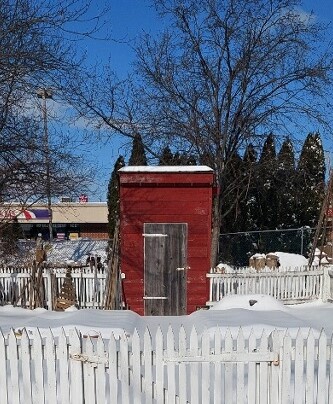 From mid-January to late February is usually the gardener's relaxing time for reflection and planning. It's when we remember last year's garden, plan this year's garden, order seeds, and design garden accessories we want to include in our garden this year. If you have an indoor seed starting system, February is also the time to set up your system, sterilize your growing trays and cubes, get your starter soil ready, and start some plants indoors.
Basic Garden Planning: If you are new to gardening, or want to expand an existing garden, you need to determine the best place for your new garden area. To produce well, most garden plants prefer full sun or 6-8 hours of direct sunlight each day. Not dappled or reflected sun, but direct sunlight. Others like partial shade with only 4 to 5 hours of direct sun each day. Shade plants prefer no more than 1 hour of direct sunlight daily. Study your yard to learn where certain types of plants will grow best. Learn how the sunlight moves across your property. What is adding shade to your garden? Evergreens will shade an area all year. Deciduous trees will have leaves in the summer that block the sun from reaching your garden. Of course, buildings and fencing may also shade some areas of your garden. Where are the lines where shade ends and sun begins? What area(s) get full sun, partial sun, etc.? The winter sun is lower in the sky than the summer sun. Except the areas mentioned above that are always shaded, you will gain about an hour of sunlight on your garden than the current winter shade line indicates. Take a little time each day to study your yard so you can better plan your garden. Don't stress out over it, though. Plants are more forgiving than most people are. Even when we make mistakes they often produce for us.
Do a Seed Inventory: What seeds do you have from a previous garden? How old are they? How much of each do you still have? How much of each do you need for this year's planting? Test your old seeds to determine whether or not they are worth planting.
Give Your Old Seeds a Test: This will take a bit of explanation. It looks and sounds complicated, but it's really simple. After you've done it once you'll feel like a veteran. Seeds lose their ability to germinate and produce over time. Even if they germinate they may produce stunted or unproductive plants if they are too old. Most seed packets have a "Packed For" year printed on them. Those seeds are already one year old, because they were grown the year before.
For example, "Packed For 2025" means they were grown in 2024. They were one year old in 2025, and will be two years old in 2026. Most herb and flower seeds will be not be fully productive if more than a year old, and vegetable seeds two to three years old. If they are that old it probably won't be worth your time to test them, except to practice this process for the future. Test each variety of seed you have that you think may still have life. The back of most seed packets tells how long it should take that type of seed to germinate. Or go online to www.commonsensehome.com/how-long-do-seeds-last/.They offer a chart that tells both how long seeds last, as well as the typical germination times for vegetable seeds. Flower seeds generally take 10 to 20 days to germinate. You may want to copy and print their pages, so you have them on hand for quick reference. Let's go through the process.
- Soak 20 of each of your old seeds for 6-8 hours.
- Strain off water. So you don't lose tiny seeds, strain them through a coffee filter or paper towel inside a strainer.
- Spread a moist (not wet) paper towel over a solid surface like a plastic lid, container, or plate.
- Spread seeds in a single layer over 1/2 the paper towel.
- Fold the other half of the towel over the seeds, and lightly press it down.
- Slide all of it, including the lid or plate, inside a plastic bag. Close it, but do NOT seal it. With a permanent marker write on the bag: (a) The type of seed [i.e., carrot, beet, squash, etc] (b) the date you placed the seeds inside it, and (c) the latest germination date for that type of seed.
- Let sit in a warm location out of sunlight and away from heaters or vents for the time it normally takes that type of seed to germinate.
- Check each day to be sure the paper towel is still damp. Don't let it dry out. If it is getting a little dry, use a spray bottle to spray more water on the paper towel.
- When the longest time has lapsed for that type of seed to germinate, remove the lid/plate and paper towel from bag. Unfold it and count the seeds that developed a starter root. Divide that number by 20 (seeds you started with) to learn the approximate germination rate of those seeds. If less than 40% germinated that seed is probably too old. If you get more than 60% you can try them, but plant a little closer than recommended to account for those that probably won't grow. If you are starting your plants indoors you may want to put 3 seeds 1/2" apart per starter cube. or even 4 if you only get 40% germination. Anything less than that you should buy new seeds, because either they won't produce healthy plants or they won't develop enough fruit to make them worth your time and effort.
Visit Seed Companies: Visiting sites of seed producers can provide new ideas of what to plant. They will definitely show you new plant varieties along with the old varieties still available. Grab a drink and snack, turn on your computer, and look at all the "purty pitchers". I have listed some of the better companies I've dealt with. If available I recommend "heirloom" seeds. Then you can save seeds from your own 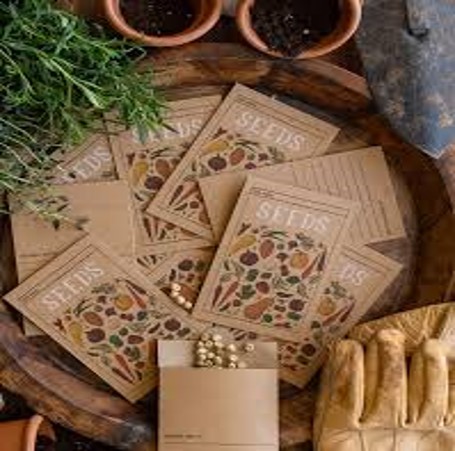 garden rather than buying new seeds every year.
- Bake Creek Heirloom Seeds
- Botanical Interests
- Eden Brothers
- Johnny Seeds
- 99 Heirlooms
- Seed Savers Exchange
- Thresh Seed Company
- True Leaf Market
Decisions, Decisions: If you already have a garden, think about what did or did not do well last year. This is why it's important to keep a garden record from year to year. Do you want to grow the same plants this year or try something new? Where do you want to plant the old or new varieties this year? If you had an insect or virus problem last year you should not try growing the same type plant in that space again this year. Another important consideration is ground moisture. The scale of moisture runs from Dry - Damp - Moist - Wet - Underwater. If you have a low spot in your garden that holds a lot of moisture don't plant something there that prefers drier soil. For example, lavender and thyme prefer soil that is only Damp. Tomatoes, on the other hand, prefer consistently Moist soil. Most plants we grow prefer the soil around their roots to be in the Damp-to-Moist range.
Order Seeds: Decide what additional seeds you need, and place your order(s). If you wait too long they may run out of their stock of popular exotic and heirloom plants before you order.
Get to Know Your Soil: Typically we do soil tests in our region from late Fall into these winter months. However, this year Momma Nature blessed us with a thick blanket of frozen humidity. If you didn't do a soil test before now you will have to hold off until Momma takes her blanket away. Next month we'll discuss soil testing in more detail, as well things to get ready for your garden. In the mean time, have fun planning, but don't get stressed over it.
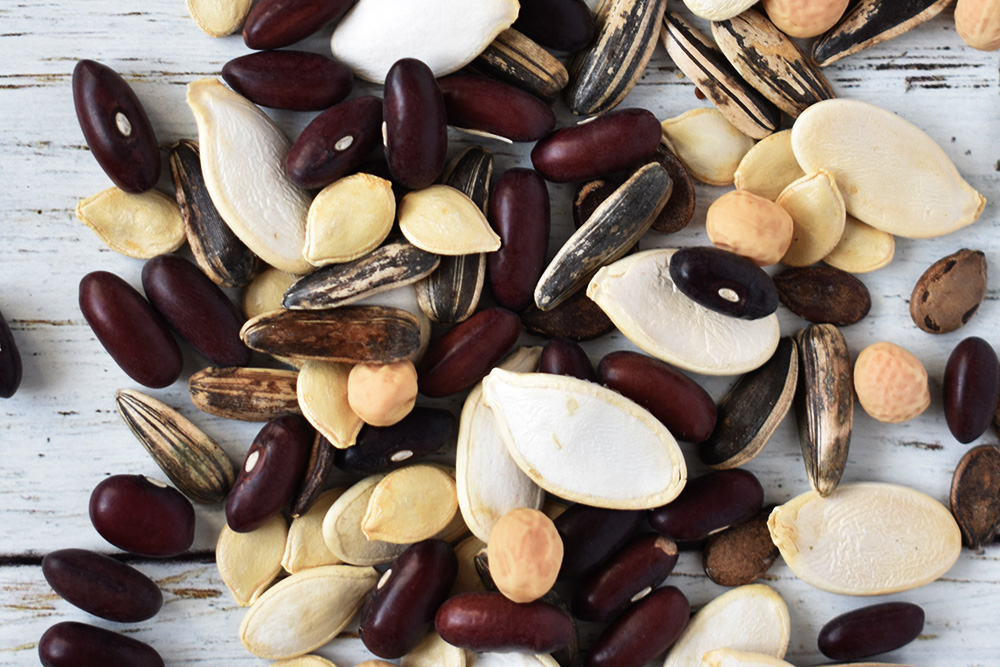 Historical Note: The seed saving practices of early American colonists were fundamental to their survival and agricultural independence. Through careful selection, cleaning, drying, storage, and communal exchange, they preserved the genetic heritage of their crops and laid the foundation for future farming traditions in America.
~ by Gary Reneker, Garden Master