
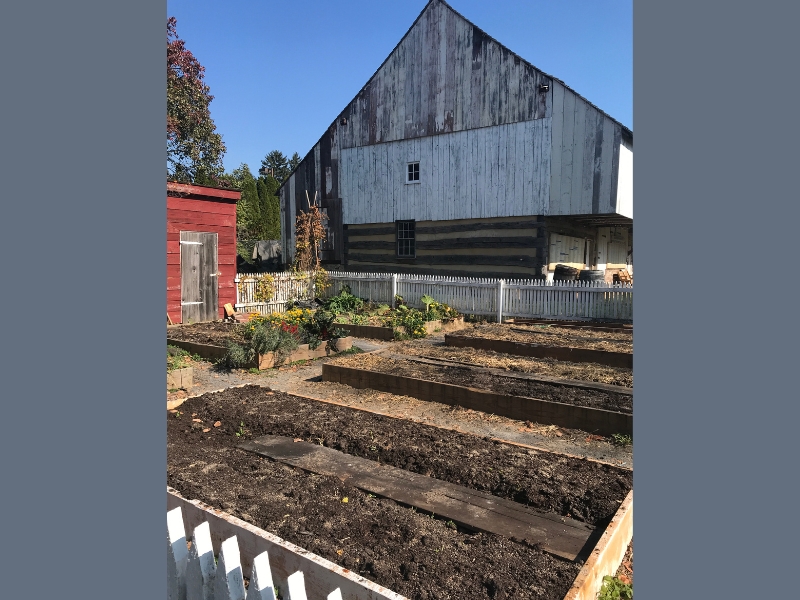
Dills Tavern: The Garden Shed: Vol 1.11
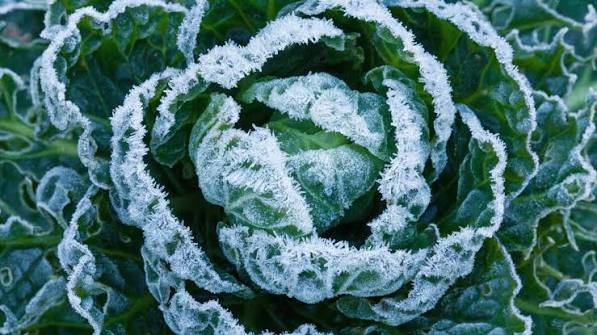 What is frost? Frost refers to the layer of ice crystals that form when water vapor condenses on plant matter and then freezes. A light frost occurs when the nighttime temperature at plant level drops to, or just below, 32° F. This can occur even if the air temperature above plants is 36° F. Warm season plants like tomatoes, beans, peppers, zinnias, and basil will be killed off by a light frost.
Cooler season plants like peas, calendula, and nasturtium will not be effected by a light frost. Brassicas are considered cold season plants. They will have a sweeter taste after being hit by frost, because the cold increases their retained sugar levels.
A hard freeze is a period of at least four consecutive hours of air temperatures below 28° F. Not many plants live after a hard freeze. The most noteworthy are kale and Swiss chard, which can be harvested well into November, or even December, in our region. Perennials generally become dormant after a hard freeze. Beets and carrots will not grow anymore, but can remain in the garden if covered with 6"to 8" of straw. When you want fresh beets or carrots during the winter, lift the straw, dig your produce, and replace the straw over the soil.
For flower gardens leave the plant stems and fallen leaves on the ground until spring. In spring, at least two weeks before the last frost, clip the stems to about 1 1/2" above the ground.
For vegetable gardens cut the stems off at ground level in autumn, except for the hollow stems of some plants. Beneficial insects make winter homes inside these hollow stems. Cut them to about 9” above the ground.
Remove all cut stems and debris from the garden. Then cover your vegetable garden areas with 1"to 2" of compost. After your garden has experienced at least three hard freezes cover it with 3"to 5" of straw. The freezing will generally kill harmful insect eggs. After a few nights of freezing the added straw will then protect the soil over the winter. By waiting before adding the straw, mice, voles, and other such critters will have already found homes for the winter rather than thriving under your cozy straw blanket.
A Gardener’s Work (or Fun) is Never Done!
Testing Is A Good Thing
As soon as possible take soil samples from around your garden at 6” to 8” deep. After samples are dried and the sticks and stones have been sifted out of them, send at least one-half cup of soil to Penn State Labs.They will reply with the results in a couple weeks, and you will know what amendments to add to your soil. A soil sample envelope can be purchased from your county's Ag Extension office for $10.00.
Or use your own zip-lock bag in a heavy envelope along with a soil test form and send them along with $10.00 to Penn State. The online form link: ( https://agsci.psu.edu/aasl/soil- testing/fertility/soil-fertility-submission-forms/individual-submission-form-for-turf-home-garden-noncommercial-fruit-flower-woodlot-christmas-trees-and-landscape-plants ). Download the .PDF form to someplace you will remember it on your computer. Print off one copy for now.
At this time of the year you can apply dried nutrients to the top of your soil. Winter weather will carry it to root level by spring.If you wait until spring, liquid fertilizers will have to be used
so the nutrients can immediately soak down to where your plant can use them. Dried nutrients are cheaper. so it's best, in my opinion, to use the dried in autumn.
Clean Your Tools
Most dirt on your tools will cause them to rust. Even dried dirt will attract moisture over the damp, winter months and cause rusting. Clean your tools of all dirt. Mix four tablespoons of baking soda in one quart of water. Scrub your tools with it using a stiff utility brush. Then spray or soak your tools in a rinse of one part bleach or hydrogen peroxide to 7 parts water to kill all pathogens. Pathogens can live on your tools over winter. You don't want to introduce (or reintroduce) them to your garden next spring.
Clean off trellises if you used them this year. If you didn't use them this year, you may want to plan and build trellises for next season. Growing vine and climbing plants up a trellis, cage, or similar support will result in more produce than letting them sprawl across the ground for critters and insects. They also provide more ground space to plant other vegetables, herbs, and companion plants.
Start saving your milk, ice tea and similar jugs. If you set young transplants in the ground right on schedule, but an unforeseenfrost is called for, the jugs can be set over the new transplants as mini-greenhouses, so the frost doesn't harm them. Just cut off the bottoms leaving a little tab on two corners. Punch holes in those tabs. Place a jug over each transplant, and insert 8" gutter spikes through those holes into the soil. They will keep the jugs from blowing over and away from your young plants.
Stinky Can Be Good
Check around for anyone giving away manure. First be sure the livestock wasn't fed hay from fields sprayed with persistent weed killers like Grazon. These remain active for four years, even after being digested by the animals. They kill any plant you try to grow during that time period other than grasses.
Spread "safe" manures over your garden in a thin layer up to about 1". Cover it with several inches of straw after several freezing nights. Soil microbes will compost it over the winter. In the spring your garden will have rich nutrients awaiting your plants.
Plan For Success
Take time to reflect on what worked or didn't work in your garden. What don't you want to plant again? What new plants you would like to add to your garden. Is there another garden area you want to add?
Make notes about problems you had, and any skills or knowledge you want to develop. It's best to do this thinking and planning now while this year's garden is still fairly fresh in your mind.
Final Notes
I'm getting worn out trying to do Dill's garden by myself. I also have my own garden and house to care for. I could sure use some active volunteers. You don't have to know much about gardening. All you need is the desire to learn and a willingness to help. We can teach what you don't know. In fact, that leads me to my final thought for this article.
Are there gardening topics you would like to know more about? As examples, composting, or how to turn hard, red clay into good garden soil. Maybe Do-It-Yourself garden products, like trellises, seed starters, or self-watering buckets as planters for small spaces. If you have ideas call the office and let Beth know your interests, or catch me at the garden or at First Fridays. Maybe we can do a few over this winter to give you a leg up on next year's garden season.
As Bugs would say,“That's All Folks.”
Gary A. Reneker, Head Gardener
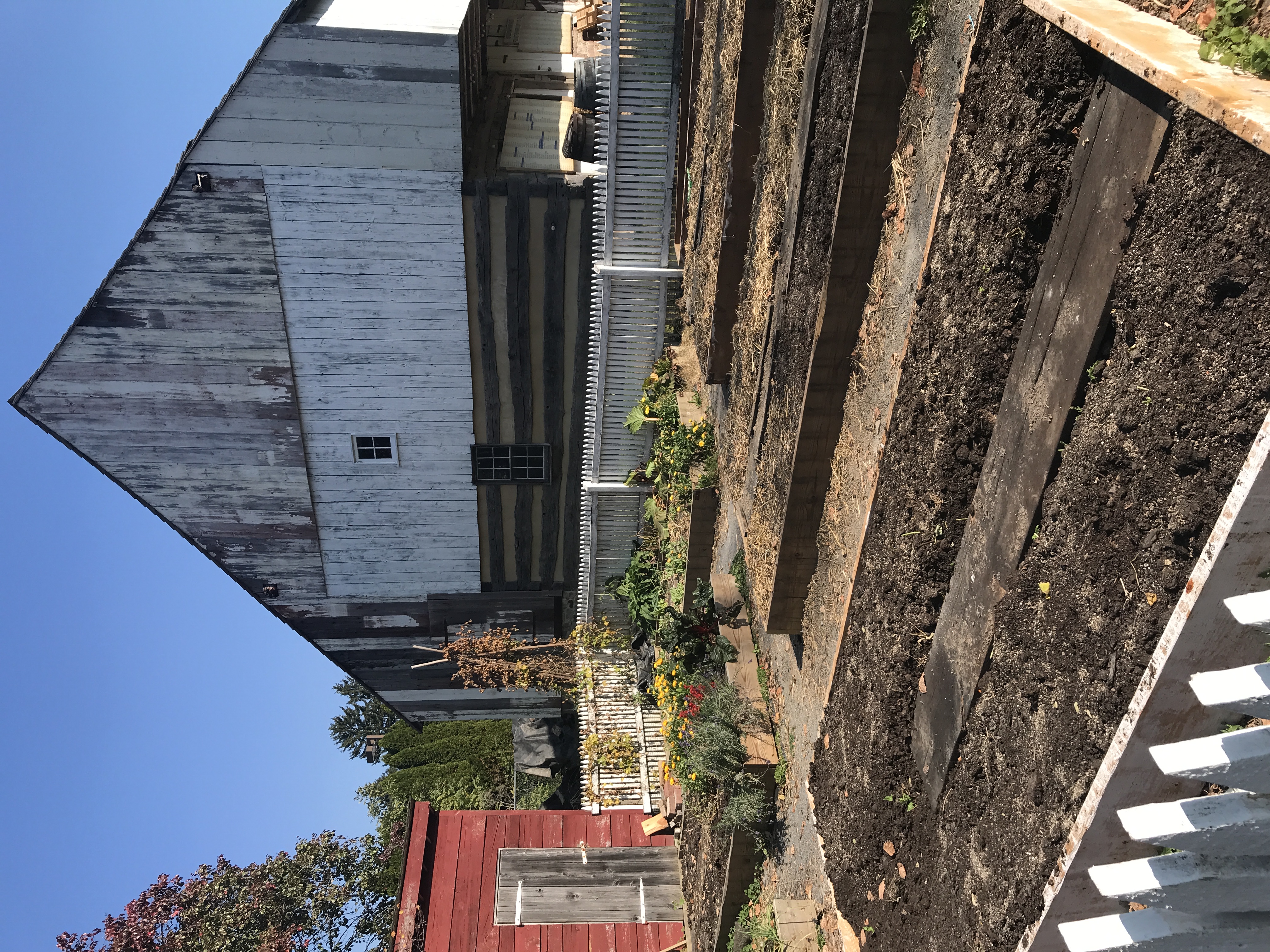
 Volunteers Welcome!
NYCHAPS (especially Gary!) is always looking for volunteers to assist with garden maintenance. Everything from planting, mulching, weeding, and learning/sharing your knowledge with others! Contact Gary Reneker at This email address is being protected from spambots. You need JavaScript enabled to view it.